Bid to save historic Black Prince sculpture once displayed in Warwick for the nation
By James Smith 11th Nov 2026
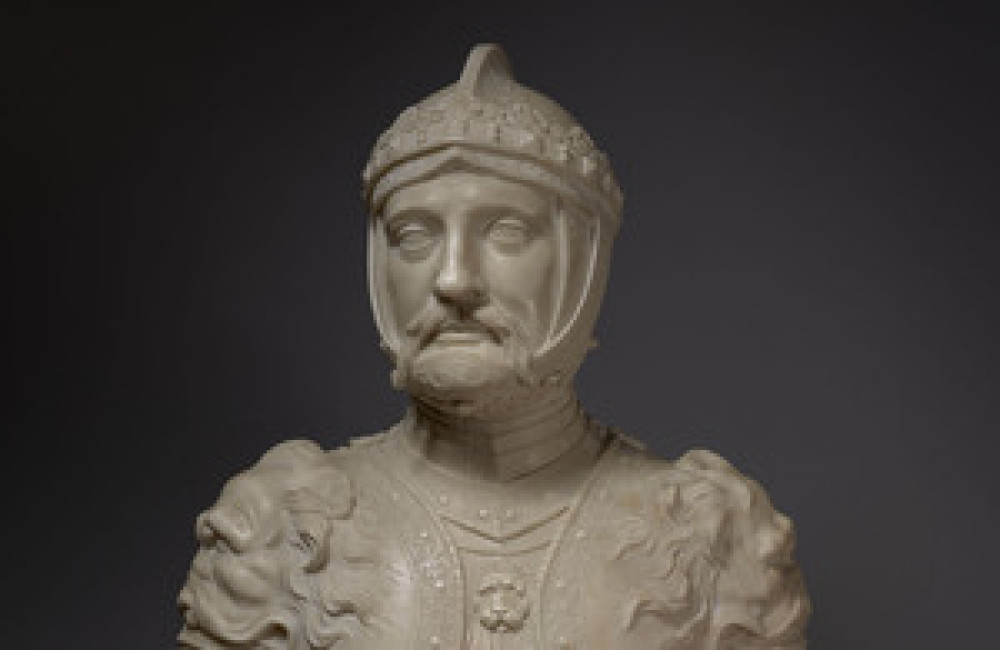


The government has intervened to ensure a bust of The Black Prince is kept in the country in the hope that a UK gallery or institution can "save it for the nation".
The bust of Prince Edward of Woodstock (1330–1376) was recorded as being on display at Warwick Castle in the state bedroom in 1806 before it was sold at Sotheby's in December 2005.
Renowned as an extraordinary medieval military commander during The Hundred Years War, Edward was the son of King Edward III of England.
He won major victories, including the Battle of Poitiers (1356), and supposedly became known as The Black Prince because of the colour of his armour.
The bust was part of a series of 18th century depictions of Edward the Black Prince, which came to define how the image of him was subsequently presented.
Since this bust was created nearly three hundred years ago, its "iconic representation" has been copied countless times and has become the accepted image of this important historical figure.
The government has placed a temporary export ban on the sculpture in the hope of keeping it accessible to the UK public.
The deferral period gives time for museums and galleries to raise the funds needed to acquire the bust, for example through philanthropic support, or for a private individual to purchase it and donate it to the nation.
Download our Nub News App!
- It’s FREE and available now- Breaking news notifications
- Your Town in Your Pocket


Created around 1735, the bust is the work of leading Flemish sculptor, Michael Rysbrack. Rysbrack did much of his most famous work in England, where he was renowned for portrait busts and architectural decorations.
Heritage minister Baroness Twycross said: "This striking sculpture of Edward the Black Prince still defines how we imagine this legendary figure in British history.
"For nearly 300 years it has shaped how we tell the story of our medieval history and I hope that in a public gallery in the UK it can tell that story much more powerfully for many more years to come."
The bust is thought to have been commissioned by Frederick Prince of Wales for Carlton House in London before it was passed to Lady Archibald Hamilton.
Her daughter, Elizabeth, then married Francis Greville, Earl of Warwick, when the bust is believed to have moved to the castle.
Download our Nub News App:
- It’s FREE and available now
- Breaking news notifications
- Your Town in Your Pocket


Share: